


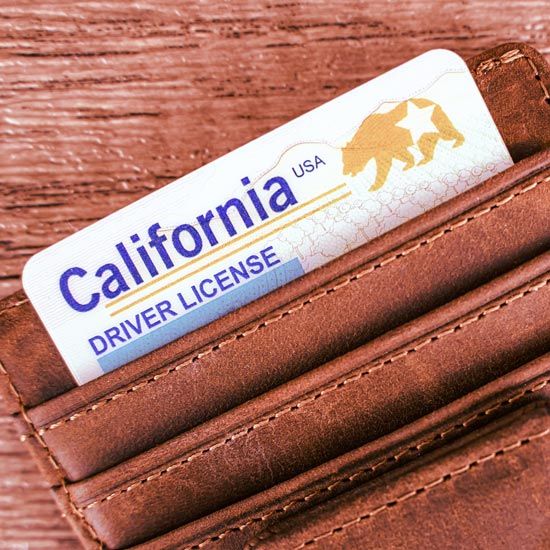
Vehicle dealers regularly encounter situations involving unlicensed prospective drivers, whether during test drives, the sales process or vehicle delivery. While there is nothing in California law that prohibits a dealer from selling a vehicle to an unlicensed buyer, California law does provide clear statutory guidance for vehicle owners who permit unlicensed drivers to operate their vehicles. In addition, California courts have addressed the potential for a dealer’s liability after the sale. Dealers can minimize their exposure by implementing strict license-verification protocols for any test drives or loaners, documenting the delivery of a vehicle to a licensed driver or to a transporter, and employing protocols for obtaining written disclosures when the buyer is unlicensed.
What About Test Drives or Loaner Vehicles?
California law imposes duties on vehicle owners regarding who may drive their vehicles on public highways. Specifically, California Vehicle Code section 14606 prohibits employing, hiring, knowingly permitting or authorizing any person to drive a motor vehicle upon a highway unless that person holds a valid driver’s license appropriate for the vehicle’s class.
Further, section 14604(a) provides that an owner may not knowingly allow another person to drive the owner’s vehicle unless the owner determines that the person has a valid driver’s license. The owner must make a reasonable effort or inquiry to determine license validity, but there is no requirement to check with the Department of Motor Vehicles. When the dealer remains the vehicle’s owner and authorizes its operation — as is typical in test drives, loaners or courtesy vehicles — sections 14606 and 14604(a) are directly implicated. Dealers must make a reasonable effort or inquiry to ensure the driver is currently licensed and qualified for the vehicle’s class before permitting operation, and should document that verification. These scenarios are the highest negligent entrustment risk because the dealer is affirmatively entrusting the operation.
Can I Sell a Vehicle to an Unlicensed Driver?
California law does not prohibit a dealer from selling a vehicle to an unlicensed driver. However, doing so without already having solid policies in place could still lead to liability if the unlicensed buyer were to cause harm to someone. The most common claim against a dealer that sells a vehicle to an unlicensed driver who later causes harm to someone is for negligent entrustment. Negligent entrustment arises when one who owns or controls a vehicle entrusts or provides it to a person whom the owner knows or should know is incompetent, unfit or otherwise unable to operate the vehicle safely, which results in harm. The California Court of Appeals in the Dodge Center1 case confirmed that no statute makes it unlawful to sell a vehicle to an unlicensed driver, but section 14604 still imposes a duty on a retailer to inquire into the purchaser’s license status. Dodge Center thus draws a sharp line between selling a vehicle and authorizing its operation.
However, the case still leaves open the possibility of liability where a dealer actually authorizes or permits an unlicensed or incompetent driver to operate, or has actual knowledge of the driver’s incompetence under common-law principles. Actual knowledge or circumstances that would put a reasonable person on notice of incompetence are key, and evidence such as obvious intoxication at delivery may create actual or constructive knowledge and potential liability for the dealer. Common-law exposure can arise if the sale is coupled with entrustment of immediate operation under circumstances signaling incompetence. Dealers can reduce risk by decoupling ownership transfer from immediate operation by the unlicensed buyer.
Therefore, it is strongly recommended that dealers deliver the vehicle only to a licensed co-buyer or authorized driver; permit commercial transport or removal from the dealer’s premises only under the control of a verified, licensed operator; and document each step.
Can I Lease a Vehicle to an Unlicensed Customer?
In a lease, the lessor (dealer) remains the vehicle’s owner. As a result, under section 14606, a dealer should not lease a vehicle to an unlicensed driver because the lessor (dealer) is the owner until the lease is assigned to a financial institution. During this period, the owner-permission duties and negligent entrustment risks remain present. Therefore, dealers should only lease vehicles and deliver them after verifying that the lessee (and any other permitted operators) holds a valid license appropriate to the vehicle’s class, and this verification should be thoroughly documented.
Financing/Lender Considerations
Most financial institutions require dealers to enter into a written dealer agreement that imposes certain duties and obligations on dealers when they assign contracts. Many, if not most, dealer agreements condition funding approval and the assignment of the contract on the dealer’s representation and warranty that the buyer listed on the contract has a valid driver’s license. As a result, the Dodge Center case will not protect a dealer from the financial institutions’ repurchase demand, tender for defense and indemnification, or a claim for breach of the dealer agreement. Therefore, a dealer should review its applicable dealer agreements with its lenders to ensure that selling a vehicle to an unlicensed buyer does not breach the representations and warranties it has made to the lender.
Best Practices Checklist for Dealers
Dealers can reduce their exposure by focusing on when they authorize a vehicle’s operation and by documenting reasonable efforts to ensure the vehicle is operated by a licensed, competent driver.
- Test Drives and Loaners: Verify the prospective buyer’s license before handing over keys; confirm proper vehicle class; document the check; and refuse operation if impairment or incompetence is apparent, consistent with California Vehicle Code sections 14606 and 14604(a).
- Retail Sales to Unlicensed Buyers: Separate the sale from taking delivery and driving the vehicle off the dealer’s lot. Only deliver the vehicle to a licensed co-buyer or authorized driver, document the fact that a licensed driver drove the vehicle by having them sign a Statement of Facts and retain a copy of their driver’s license. Alternatively, have the vehicle delivered to the customer’s residence via commercial transport; retain evidence of the licensed delivery; and have the customer sign a Statement of Facts agreeing not to drive the vehicle on public highways until he/she is properly licensed.
- Leases: Because the lessor remains the owner, do not enter into a lease with an unlicensed lessee where the lessee will operate the vehicle; verify and document licenses for all permitted drivers under California Vehicle Code section 14606. Also, make sure to check your dealer agreement with your lender.
- Delivery-Day Sobriety and Fitness: Decline delivery where obvious intoxication, impairment or incompetence is present; reschedule or deliver to a licensed third party or transporter; document the basis and who the vehicle was delivered to.
- Training and Audits: Train sales, F&I, and service staff on verification and documentation procedures; audit deal jackets and loaner files for compliance with statutory checks and internal policies.
The author of this article is a partner at Manning, Leaver, Bruder & Berberich LLP, a Los Angeles law firm that practices throughout California and has been in existence for over 100 years. It has a strong automobile dealer practice covering all areas of the industry, including dealership buy-sells, real estate transactions, business and consumer litigation, regulatory compliance, dealer advertising law, dealer association law, new motor vehicle board matters and franchise law. See manningleaver.com for more information and areas of practice. Nothing in this article may be considered as legal advice. Contact legal counsel for legal advice.